A garage door motor often gets blamed for problems it did not create. The remote stops working reliably, the door strains halfway down, or the opener sounds louder than usual, and the first instinct is to look at the motor. In many cases, the motor is only reacting to faults elsewhere in the system. A door that is out of balance, rubbing through its travel, or failing to close cleanly can put steady extra load on the opener until a small issue turns into a more expensive repair.
That is why it makes sense to fix garage door faults early, especially the mechanical ones. A garage door is a connected system. The panels, tracks, springs, hardware, and opener all depend on each other. When one part starts dragging or pulling unevenly, the motor has to compensate. It may manage for a while, but it does so at a cost.
This matters even more in places where hardware sees harsh conditions over time. In coastal environments such as the Gold Coast, salt air, humidity, and heat can all affect garage door components and increase maintenance needs. Corrosion, stiffness, and premature wear rarely appear all at once. They show up gradually, often as little annoyances that are easy to ignore until the opener starts struggling.
The motor is not designed to overcome a bad door
A garage door opener is there to automate movement, not force a damaged or poorly adjusted door to behave. That distinction matters. When the door is moving properly, the motor works within a predictable range. When the door is binding, misaligned, or unbalanced, the opener is asked to do more than it should.
You can usually hear the difference before you see it. A healthy setup sounds steady. A stressed one tends to chatter, strain, pause, or reverse unexpectedly. If the garage door not closing properly has become a recurring issue, the opener may be sensing resistance and reacting the way it was designed to react. That does not always mean the opener itself is faulty.
People often focus on electronics because they are visible and convenient. They swap batteries in remotes, reprogram controls, or assume the opener needs replacement. Sometimes that is true. Motor replacement and automation upgrades are common garage door services, and in some cases an older opener really is at the end of its life. But replacing a motor without addressing a dragging door can leave the new unit facing the same stress from day one.
What early faults tend to look like
Most garage door faults start quietly. A roller may begin tracking unevenly. The door may hesitate at one point in the opening cycle. It may close to the floor and bounce back up, or stop just short of fully shut. These are not just convenience issues. They are signs that the whole system is no longer moving as smoothly as it should.
Garage door alignment problems are a good example. Alignment faults can develop gradually and may not look dramatic from a distance. Yet even a slight shift can change how the door sits in its tracks and how much resistance the opener feels. If the door is scraping, pulling to one side, or closing unevenly, the motor ends up doing extra work every time the door runs.
The same is true when hardware ages in a way that affects balance. Springs play a major role in counterbalancing the weight of the door. If that balance changes, the opener may start lifting or lowering more weight than it was meant to handle. That can show up as slow operation, jerking, or a door that feels heavier than usual.
One common mistake is to keep using the opener normally because the door still moves. A door does not have to fail completely before damage starts spreading. Repeated strain can shorten the life of the motor, the drive system, and other parts connected to the opener.
Why a closing problem should never be ignored
When a garage door not closing properly becomes a pattern rather than a one-off event, it deserves attention. There are several possible reasons for poor closing performance, but the broad point is simple: a door that cannot complete a normal cycle without resistance or interruption puts the opener under unnecessary stress.
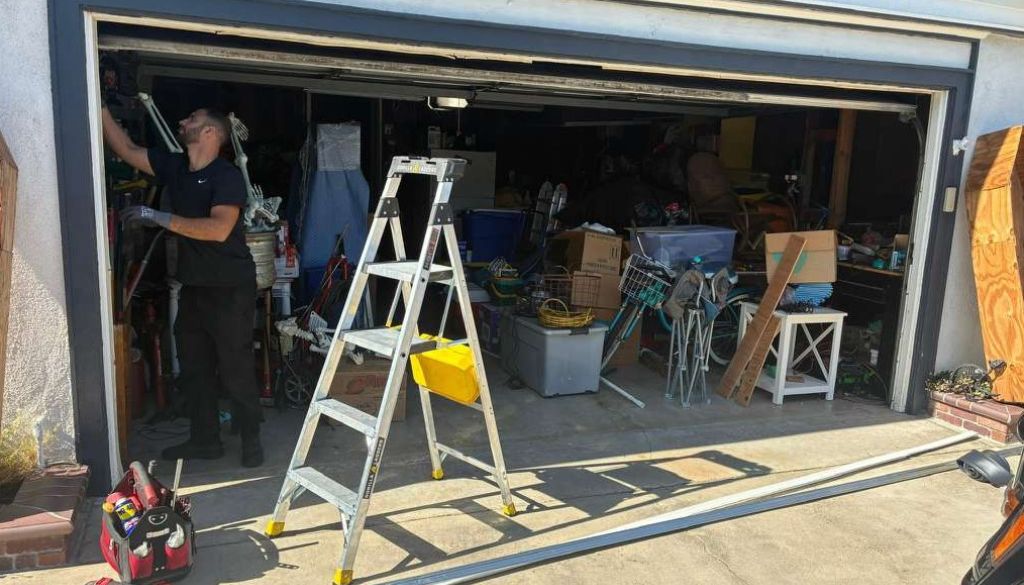
Sometimes the issue is obvious. The door may appear crooked as it approaches the ground, or one side may reach the floor before the other. Other times it is subtler. The motor may run longer than normal, the door may reverse near the bottom, or the opener may sound like it is laboring through the last part of the movement.
That extra strain matters because closing is not just about getting the door down. It is about controlled travel through the full path. If the opener repeatedly encounters resistance, it is forced into a cycle of effort, hesitation, and correction. Over time, this can contribute to wear that might otherwise have been avoided.
I have seen many cases where the owner initially asked for garage door opener repair because the motor seemed weak, only for the underlying problem to be in the door itself. Once the door movement was corrected, the opener performed normally again. That is not unusual. It is exactly why the mechanical side should be checked before assuming the motor has failed.
Springs deserve special caution
There is one part of the system that should never be treated casually: the springs. Spring replacement is a standard repair service, but it is not a casual do-it-yourself task. Safety guidance is clear that garage door springs are under high tension and are dangerous to adjust or repair without proper training and tools.
That warning is not exaggerated. Springs store energy, and mishandling them can cause serious injury. If a spring breaks or the door suddenly feels far heavier than normal, stop using the opener until the issue is assessed properly. Continuing to run the motor against a door with a spring problem can overload the system quickly.
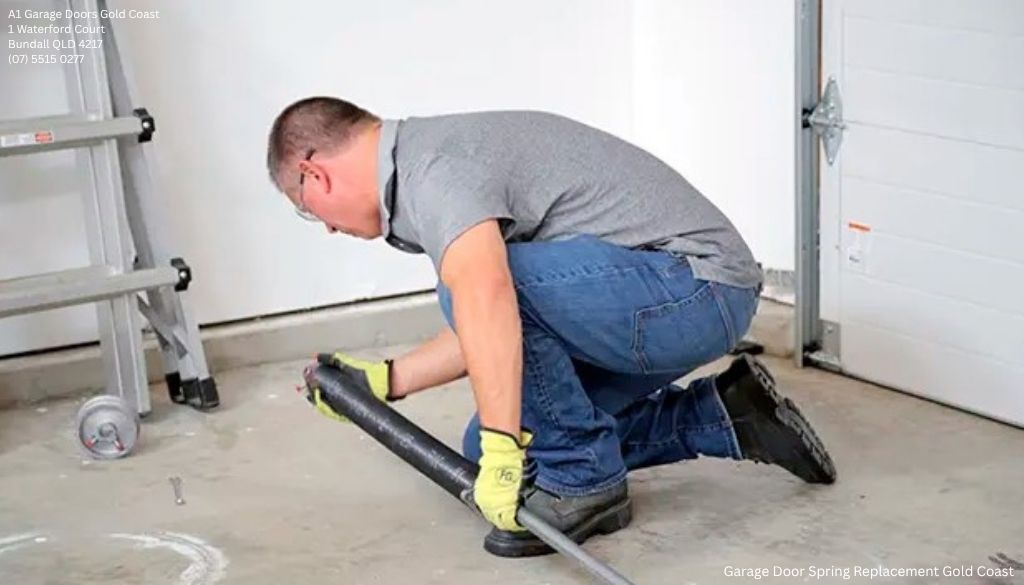
There is another practical point here. When one spring breaks, both springs may need replacement because they usually wear at a similar rate. Mismatched springs can create balance problems, and balance problems feed directly into motor strain. Even if the opener still seems to work for a short period, it may be lifting a door that is no longer correctly counterbalanced.
This is one area where judgment matters. A homeowner might notice only that the door has become noisy or unreliable. A trained technician is more likely to look at the whole system and ask whether the motor problem is actually a symptom of spring wear, poor balance, or a garage door alignment issue.
The coastal factor is real
Environmental wear does not have to be dramatic to be costly. In coastal areas, hardware can age differently because of salt air, humidity, and heat. Those conditions can affect the door, the fittings, and the motor over time. It may start with stiffness, corrosion, or small inconsistencies in movement. Left alone, those small changes can add drag and resistance across hundreds of operating cycles.
This is one reason some doors seem to “age” faster than expected even when they are not used heavily. A system can look acceptable from the outside while developing roughness in how it runs. The opener then becomes the part that works hardest to hide the problem, at least until it can no longer do so.
That local wear pattern also explains why regular servicing matters. One Gold Coast provider recommends professional servicing every 12 months to help prevent breakdowns and extend the life of the door and motor. That schedule is not about creating unnecessary work. It reflects the practical reality that small faults are easier and cheaper to correct before they damage associated components.
When the opener really is the problem
None of this means the motor is never at fault. Garage door motors and automation systems do fail, and repair or replacement can be the right answer. Services in the Gold Coast area commonly include motor repairs, motor replacement, remotes, and automation upgrades for existing garage doors. That is part of normal lifecycle maintenance.
The key is to separate primary faults from secondary ones. If a motor has been running a resistant or poorly balanced door for months, the opener may genuinely need repair. But replacing the opener alone can become an expensive half-solution if the original cause remains in place.
A good assessment usually looks at the full movement of the door first. Is it travelling smoothly? Is the load on the opener reasonable? Does the door sit correctly? Are there signs of imbalance or wear? Only after those questions are answered does it make sense to decide whether garage door opener repair is the main job or simply one part of a larger fix.
Practical warning signs that should move up your priority list
Some faults can wait a short while for scheduling. Others should be treated as early warnings of a bigger problem.
- The door reverses or stops repeatedly during closing. The opener sounds strained, louder, or less steady than usual. The door appears uneven, rubs, or shows signs of poor garage door alignment. The door suddenly feels heavier, or movement changes sharply from one day to the next. A spring appears broken, or the system loses balance unexpectedly.
These are not signs to ignore for a few more months. They suggest that the opener may already be compensating for resistance or imbalance. The longer that continues, the greater the chance that a simple service call turns into a motor repair as well.
Why early repairs are often cheaper than reactive ones
There is a simple economic logic here. Mechanical faults tend to spread their cost. A misaligned door does not only affect alignment. It can increase wear on rollers, tracks, hardware, and the opener. A spring issue does not only affect lifting force. It changes the load on the motor and can upset the way the entire door moves.
By the time the opener fails completely, the original problem may be harder to isolate because multiple parts are now affected. That often leads to broader repair work. The owner pays not just to restore movement, but to undo the chain reaction that began with something smaller.
This is especially common when the symptoms were mild at first. An owner may put up with a door that closes badly for months because it still works on the second attempt. What changed during those months is that the opener had to fight the same resistance every day. Once the motor starts weakening or the automation becomes unreliable, the service visit becomes more involved.
There is also the inconvenience cost. A garage door that fails at the wrong time can block access to a vehicle, leave the garage unsecured, or require urgent service. Preventive attention rarely feels urgent, but breakdowns often do.
What a sensible first response looks like
You do not need to dismantle anything to decide whether the door needs attention. What matters is observation and restraint. If the door is behaving differently, do not keep cycling it repeatedly to see if the problem “works itself out.” Repetition can increase strain and make the eventual repair larger.
A practical response usually includes a few basic steps:
- Notice whether the change is in the door movement, the sound, or both. Stop using the opener if the door feels heavy or appears badly out of alignment. Avoid touching or adjusting springs yourself. Arrange assessment sooner rather than later if the door is not closing properly. Ask for the entire system to be checked, not only the motor.
That last point is important. Framing the problem as “the opener is broken” can sometimes narrow the discussion too early. It is better to describe what the door is doing. Is it reversing? Dragging? Closing unevenly? Making a straining sound? Those symptoms help direct attention to whether the opener is the cause or the casualty.
The role of servicing in extending motor life
Servicing is easy to postpone because a garage door often continues to operate long after wear begins. But that is exactly why routine checks are useful. A technician does not need a dramatic failure to find a developing issue. Early imbalance, small alignment changes, or hardware affected by environmental wear can often be identified before the motor suffers from them.
The value of annual servicing, especially in areas affected by heat, humidity, and salt air, is less goldcoastgaragedoorrepair.com.au about perfection and more about prevention. A once-a-year inspection can catch the sort of fault that most owners would not notice until the opener starts complaining. That may mean a smaller repair now instead of a larger repair and motor replacement later.
Regular service also provides a baseline. If a technician has seen the door before, changes in balance, noise, or travel can be easier to spot. That helps with judgment. Not every noise is serious, and not every rough movement means a major repair. Experience lies in knowing which signs indicate ordinary wear and which ones suggest the motor is being put at risk.
The cases where replacement makes more sense
Sometimes the best path is not repair alone. If the motor has already been damaged by prolonged strain, replacement may be the cleaner option. The same applies if the owner wants to automate an existing door more effectively or update an older system that has become unreliable. Automation upgrades and motor installations are established services, and in the right situation they are sensible.
Even then, the order still matters. If you install a new opener on a door with unresolved mechanical faults, the new unit inherits the same workload. A sound replacement decision depends on making sure the door itself is moving correctly first.
That sequence can save frustration. Many disappointing “new motor” experiences are really unresolved door problems wearing out fresh equipment. A new opener should feel smoother and more confident, not like it is being asked to wrestle an old fault.
A better way to think about garage door problems
It helps to stop thinking of the motor and the door as separate issues. They are linked. The opener reflects the health of the door almost as much as it drives it. When the system is balanced and aligned, the motor tends to last longer and behave more consistently. When the system is neglected, the opener often becomes the first expensive component to suffer.
So if you need to fix garage door trouble, start with the movement of the door itself. Watch how it opens, how it closes, and whether it seems to strain or travel unevenly. Treat changes in behaviour as useful information, not background noise. If the garage door not closing properly has become routine, or if garage door alignment looks off, that is the time to act.
A small mechanical correction made early can protect a much more expensive motor. That is the practical lesson behind most avoidable opener failures. The fault rarely starts at the motor. It reaches the motor because the earlier signs were ignored.