A garage door that hesitates, stops short, or reverses before it fully shuts rarely starts with one dramatic failure. More often, it is the end result of small wear building up over time. The change can be subtle at first. One day the door sounds a little rougher than usual. A week later it needs a second press of the remote. Then, without much warning, you are standing in the driveway wondering why the garage door not closing properly has suddenly become part of your evening routine.
That pattern is familiar to anyone who has spent time around residential doors and openers. Garage doors work hard. They open and close repeatedly, rely on moving hardware, and are exposed to weather every day. In coastal areas such as the Gold Coast, salt air, humidity, and heat can make that wear show up sooner. Metal components do not need a catastrophic event to start performing badly. A little corrosion here, a little strain there, and the whole system begins to lose smooth, predictable movement.
When a door will not close properly, the temptation is to look for a quick reset or force it through one more cycle. Sometimes that works once, but it does not solve the underlying issue. A door that is already struggling usually needs a proper check, and in many cases a service visit, before a minor problem turns into a larger repair.
The problem usually starts before the door stops
People tend to notice a garage door only when it fails in an obvious way. Before that point, there are often signs that the system is working harder than it should. The motor may sound different. The door may move unevenly or feel less settled as it reaches the floor. Remote response may become inconsistent. None of those details automatically tells you which component is at fault, but together they often point to wear.
That matters because a garage door is not one isolated part. It is a system. Springs, hardware, the motor, remotes, and the door itself all affect the way it opens and closes. If one element starts dragging or falling out of proper garage door alignment, strain can spread elsewhere. What begins as a service issue can become a repair issue if it is ignored long enough.
A common mistake is assuming that if the motor still runs, the opener must be fine. In practice, a working motor can still be under stress. Another mistake is treating a closing problem as cosmetic, especially if the door still opens. Closing is where many problems become harder to ignore because the door needs to settle correctly and consistently. If it cannot, the cause is often wear, imbalance, or a component no longer doing its job as intended.
What you can safely notice before calling for service
There is value in paying attention before a technician arrives. Not because most homeowners should dismantle anything, but because good observations make diagnosis faster and safer. The key is to stay with what you can see and hear from a normal operating position.
Here are a few signs worth noting:
The door starts down, then stops or reverses before it reaches the floor. The motor sounds strained, louder than usual, or inconsistent from one cycle to the next. The remote works intermittently, even when you are using it from the same distance as usual. The door appears uneven as it moves, or it does not settle cleanly when nearly closed. The problem is getting more frequent rather than staying occasional.Those details do not replace a service inspection, but they can help narrow the issue. They also help you avoid the common trap of calling every strange sound “the motor” when the real cause may involve another part of the system.
Wear shows up differently in coastal conditions
Local conditions matter more than many owners expect. In the Gold Coast area, garage door businesses regularly point out that salt air, humidity, and heat can affect hardware and increase maintenance needs. That is not marketing fluff. It reflects what exposure does to moving parts over time.
Salt air can be especially unforgiving around metal components. Humidity can add to the problem, and heat tends to magnify the stress of daily use. None of that means every door will fail early, but it does mean service intervals matter. A door in a mild, dry setting does not face exactly the same demands as one near the coast.
This is one reason a garage door that seemed fine a few months ago can begin to show rough operation without any single obvious cause. The change is cumulative. Coastal wear often does not announce itself with one loud break. It creeps in through surfaces, fittings, and tensioned parts that have simply had enough seasons of exposure.
That is also why routine servicing has practical value. One Gold Coast provider recommends professional servicing every 12 months to help prevent breakdowns and extend the life of the door and motor. That timing makes sense in environments where weather contributes to gradual decline. Servicing is not just about fixing what has already failed. It is about catching strain before it turns into downtime.
Springs deserve special respect
If there is one part of the system that should end any casual do it yourself confidence, it is the spring assembly. Industry safety guidance is clear that garage door springs are under high tension and are dangerous to adjust or repair without proper training and tools. That is not an overstatement. Springs store force, and when something goes wrong, the risk is immediate.
A broken spring can be obvious, but wear in the spring system may show up before a full break. The door may feel wrong in motion, close inconsistently, or seem less balanced than it used to be. That kind of imbalance can affect how the whole door behaves, including the way the opener works during a closing cycle.
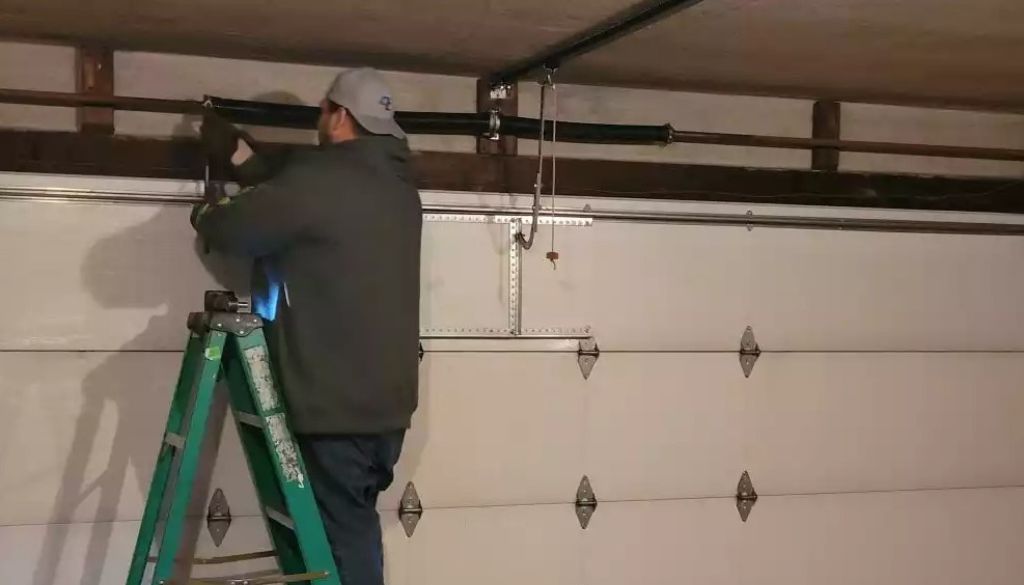
There is another practical point that often surprises homeowners. When one spring breaks, both springs may need replacement because they typically wear in a similar way. Using one new spring alongside one old spring can create balance problems. That is the kind of trade off that matters. Replacing only the visibly failed part may seem cheaper in the moment, but it can leave the door operating unevenly and invite more service trouble soon after.
If you suspect spring trouble, this is where the instinct to fix garage door problems yourself should stop. Observation is useful. Hands on adjustment is not. A spring issue is a service call.
Motors, remotes, and opener trouble can all affect closing
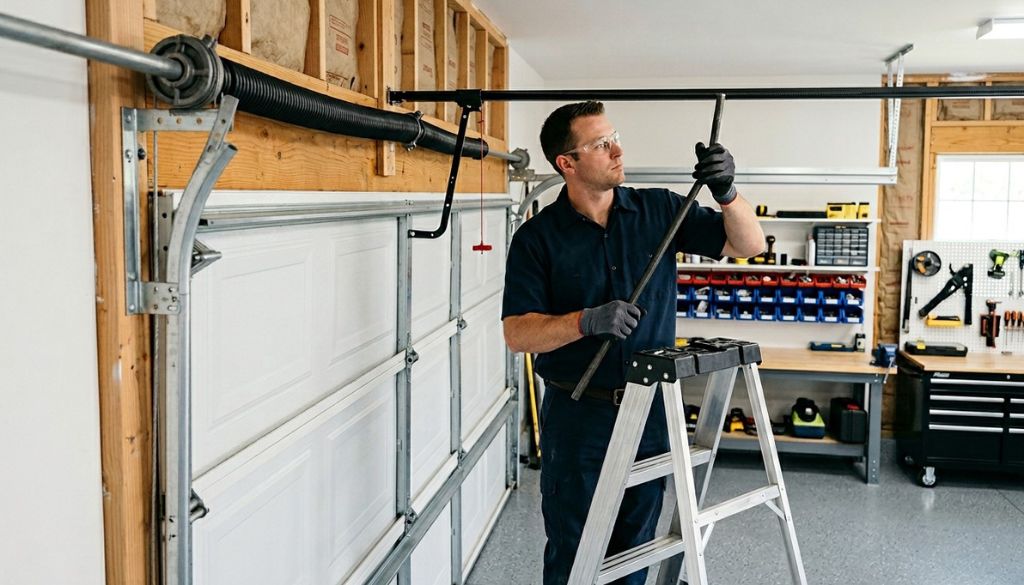
Not every closing problem comes from springs. Garage door opener repair is a common part of service work, and for good reason. The opener and motor are central to reliable operation, especially on automated doors. Gold Coast providers commonly offer repairs, servicing, installations, and replacement of motors and remotes, along with broader door repairs. That range of work reflects how often closing issues involve more than one possible component.
A failing motor does not always quit all at once. Sometimes it loses consistency first. Sometimes a remote issue muddies the picture and makes the whole problem seem random. At other times, the door itself is placing extra demand on the opener because of wear elsewhere, and the motor is simply the part you hear protesting.
This is where judgment matters. If the remote is intermittent but the door otherwise moves smoothly, the problem may be relatively contained. If the remote issue comes with rough operation, uneven movement, or a motor that suddenly sounds loaded, the opener may be reacting to a broader mechanical problem. Treating everything as a remote issue in that case can waste time.
Motor replacement or installation services are widely offered in the region, including automation upgrades for existing garage doors. That is useful context because older systems do not always justify repeated patch repairs. Sometimes repair is sensible. Sometimes replacement is the cleaner path, especially when the door has multiple age related issues and the opener is already part of the conversation. The right call depends on condition, not on a blanket rule.
Garage door alignment is not a cosmetic detail
When people hear “garage door alignment,” they often think about appearance. In practice, alignment affects how the door travels, settles, and places load on the rest of the system. A door does not need to look dramatically crooked for alignment problems to interfere with proper closing.
Even a slight loss of smooth travel can show up as hesitation near the bottom of the cycle or a refusal to finish the close consistently. The change may be subtle enough that it gets blamed on the remote, then the weather, then user error. But if the door is no longer moving as cleanly as it should, service becomes important because continued use can place extra stress on the opener and related hardware.
This is one of those cases where experience matters more than guesswork. Garage door alignment issues can overlap with spring wear, hardware wear, or motor strain. Looking at one symptom in isolation can lead to the wrong fix. A proper service visit considers how the door is moving as a system, not just whether one part still technically operates.
Service is often cheaper than delay
Owners sometimes postpone service because the door still works some of the time. That logic is understandable, but it often proves expensive. A door that closes poorly is already telling you something is off. If the cause is wear, continued operation can accelerate it. If the cause is imbalance, every cycle can put avoidable stress on the opener. If the cause is a spring nearing failure, delay can turn an inconvenient repair into an urgent one.
The cost side is only part of it. Reliability matters too. Garage doors are usually tied to daily routines. They affect access, security, and basic convenience. A door that sometimes stays open or refuses to shut properly can become disruptive very quickly, especially when the failure shifts from occasional to frequent.
Regular servicing helps reduce that uncertainty. The recommendation of a 12 month professional service interval is practical because it matches the reality of wear. In some households, that service feels unnecessary right up until the day it clearly is not. The smarter approach is to treat service as planned maintenance rather than emergency response.
What a professional visit is likely to address
A service appointment for a door that is not closing properly can cover more than one type of work. That is worth knowing, because homeowners often call expecting one small adjustment and find that the actual issue sits elsewhere in the system. In the Gold Coast area, garage door service commonly includes repairs, servicing, installations, and replacement of components such as motors, remotes, and springs.
That range is useful because closing problems are not neatly boxed into one category. A technician may find a worn spring, a tired motor, a remote issue, or signs that the door needs broader attention to return to reliable movement. Sometimes the answer is a targeted repair. Sometimes it is servicing and adjustment. Sometimes a component replacement is the sounder long term option.
There is also a https://goldcoastgaragedoorrepair.com.au/southport-qld/ practical difference between restoring function and restoring dependable function. A short term fix might get the door down today. A better repair addresses why it was struggling in the first place. That is especially important in climates where salt air, humidity, and heat keep working on the hardware after the service van leaves.
When to stop troubleshooting and book help
Some closing issues linger in a grey area for a while. Others call for immediate caution. If the door is acting unpredictably, sounding wrong, or clearly moving out of balance, the safest choice is usually to stop experimenting and arrange service.
A few situations should push you in that direction quickly:
You suspect a spring has broken or the door suddenly feels badly unbalanced. The motor runs but the door does not close reliably, or it sounds heavily strained. The door’s movement looks uneven enough that garage door alignment may be off. The problem has shifted from occasional annoyance to a repeated daily failure. You are considering adjusting springs or tensioned parts yourself.That last point matters. Plenty of homeowners are comfortable with basic property maintenance. Garage doors can make people overestimate what “basic” includes. Springs are not a routine household adjustment, and a closing problem linked to wear is often more complex than it appears from the driveway.
Repair, replace, or upgrade?
Not every service call ends with the same recommendation, and that is reasonable. A repair may be enough when the issue is limited and the rest of the system is in good shape. Garage door opener repair, for example, can make sense when the opener is the main source of the fault and the door itself is otherwise operating well.
Replacement becomes more attractive when a major component has reached the end of its useful life or when multiple issues are stacking up at once. Motor replacement is a standard service offering for a reason. There are cases where continuing to patch an aging opener is less practical than installing a new one.
Upgrades also enter the conversation more often than people expect. Automation upgrades for existing garage doors are commonly offered, which means a door does not always need full replacement for the owner to improve operation. The right path depends on condition, budget, and whether the current problems are isolated or part of broader age related wear.
The key is not to force a one size fits all answer. If you want to fix garage door problems intelligently, start with diagnosis. Once you know whether the trouble sits with the springs, motor, remote, alignment, or general wear, the choice between repair and replacement usually becomes clearer.
The doors that behave best usually get attention before they fail
The smoothest garage doors are not necessarily the newest ones. They are often the ones that get serviced before trouble becomes obvious. That matters even more in places where the environment is hard on hardware. Salt air, humidity, and heat do not wait for a convenient moment to create wear, and garage doors do not improve with neglect.
If your garage door not closing properly has become a recurring issue, take the pattern seriously. Notice what it is doing, stop short of risky adjustments, and treat the problem as a service matter rather than a nuisance to push through. Whether the fix turns out to be garage door opener repair, spring replacement, a motor issue, or correction of garage door alignment, early attention usually leads to a cleaner outcome than late frustration.
A garage door does not need to be dramatic to be telling you it needs help. Often, the most useful response is simply to listen early enough.