A garage door is easy to underestimate until the weather turns. In severe storms and cyclones, that large opening at the front of the house can become a weak point. Queensland guidance treats it that way for good reason. If a garage door fails under wind pressure, wind can enter the house and increase damage to roofs and walls. That changes the discussion from simple curb appeal or convenience to structural resilience.
When homeowners think about garage door replacement, they often focus on style, noise, insulation, or the age of the motor. Those are valid concerns, especially if the garage is attached to the house. But in areas exposed to severe storms, wind protection deserves a higher place in the decision. A replacement is not just a cosmetic upgrade. It can be part of a wider effort to make the home more resistant to weather events.
Queensland cyclone-preparation guidance is specific on this point. A garage door should comply with AS/NZS 4505 and be correctly rated for wind pressure, or it should have a bracing system that can be installed before a cyclone. That narrows the field. It means the best replacement option is not simply the most attractive door on display, or the cheapest quote. It is the option that addresses the actual risk at that opening and fits the house properly, including the frame and the way the whole assembly is secured.
Why the garage door matters more than many people realize
Most homes have smaller, stronger openings than a garage. Front doors, side doors, and windows usually occupy less area and are easier to secure individually. A garage opening is different. It is wide, often prominent, and heavily dependent on the integrity of multiple connected parts. The curtain or panels matter, but so do the frame, the fixings, the garage door tracks, the garage door springs, and the garage door openers if an automatic system is involved.
That combination creates a practical problem. A door may look solid and still perform poorly if one of the supporting components is not suited to local wind conditions. I have seen homeowners talk about their garage door as though it were a single product, when in practice it behaves more like a system. If that system is weak at one point, the entire opening becomes vulnerable.
Queensland housing guidance reflects that reality by identifying replacement of existing garage doors and frames with wind-rated versions as part of household resilience work. It also points out that non-compliant garage doors can be a cost-effective target for replacement when improving cyclone resilience. That is useful advice because many households cannot harden every part of the property at once. Replacing one vulnerable garage door may do more for overall resilience than spending the same amount on minor upgrades elsewhere.
What “better wind protection” actually means
Wind protection is not a vague marketing phrase. In this context, it means the door is designed and installed to resist expected wind pressures, and that the opening does not become an easy entry point for storm forces. Queensland guidance does not suggest guessing. It points homeowners A1 Garage Doors Gold Coast Queensland toward compliance with AS/NZS 4505, appropriate wind pressure rating, or a bracing system intended for cyclone preparation.
That has two important implications.
First, a garage door replacement should be discussed in terms of rating and compliance, not just material or appearance. Steel, composite, or other door types may all sound reasonable in a showroom conversation, but the more important question is whether the selected product is suitable for the site and rated appropriately.
Second, the frame matters. Guidance specifically refers to replacing existing garage doors and frames with wind-rated versions. That detail is often overlooked. Swapping out the door leaf or curtain while keeping a weak or non-compliant frame can leave the opening compromised. Homeowners should think in terms of the entire assembly.
The main replacement paths homeowners usually consider
There is no single best garage door replacement for every house. The right choice depends on the condition of the current opening, the local storm risk, and whether the homeowner wants a permanent wind-rated solution or a system that relies on installable bracing before a cyclone.
The first path is a full replacement with a wind-rated garage door and matching frame. This is usually the clearest option when the existing setup is old, damaged, or obviously not compliant. It can also be the cleaner choice when the tracks, hardware, and operating system are all near the end of their useful life. Instead of trying to preserve mixed-age components, the homeowner starts with a complete system designed to work together.
The second path is replacement with a compliant door that also allows for a bracing system before a cyclone. This can make sense where the selected product and the household’s preparation routine support it. The trade-off is obvious. A bracing system only helps if it is available, correctly fitted, and installed at the right time before conditions become dangerous. Queensland’s storm guidance stresses preparing before storm season and only going outside once it is officially safe, which means last-minute scrambling is the wrong plan. If the household is likely to delay preparation, a solution that depends heavily on emergency installation may not be the wisest one.
The third path is a broader garage opening upgrade that includes the door, frame, hardware, and automation. This is often worth considering when the garage door openers are aging, the tracks are worn, and the balance of the door is inconsistent. Wind protection is the main goal, but reliability and safer operation can improve at the same time.
When a simple repair is not enough
A repair has its place. Replacing worn garage door springs, adjusting a misaligned opener, or servicing noisy garage door tracks can restore function. But a repair is not a substitute for wind performance when the underlying door or frame is not appropriate for storm exposure.
That distinction matters because homeowners often spend money incrementally. One service call for springs, another for rollers, another for a motor issue. Over time, those costs can add up without addressing the larger resilience problem. If the existing door is non-compliant, visibly distressed, or paired with an inadequate frame, a series of repairs can become false economy.
A few situations tend to push the decision toward garage door replacement rather than further patchwork:
- The existing door or frame is not wind-rated for the property’s needs. The system depends on old or unreliable hardware, including tracks or opener components. The opening has known weaknesses and no practical bracing plan before cyclone conditions. Previous storm exposure has already caused damage, distortion, or poor sealing. The homeowner is investing in broader resilience improvements and wants the garage addressed properly.
That is not a universal rule. Some doors are still structurally sound and may only need component work. But once wind protection becomes the main objective, the conversation has to rise above everyday service issues.
How springs, tracks, and openers fit into the wind-protection picture
It is tempting to separate storm resilience from daily operation, yet the components that make a door garage door resource operate smoothly can also affect how well the system holds together.
Garage door springs are a good example. Their everyday job is to balance the weight of the door so it opens and closes safely. A spring issue does not automatically mean poor wind resistance, but it can signal a system that is under strain or no longer moving as intended. If a door binds, slams, or sits unevenly, that deserves closer inspection during any replacement decision. A wind-rated door still needs balanced, correctly functioning hardware.
Garage door tracks deserve similar attention. Tracks guide movement and help keep the door aligned. In a normal service call, the concern may be noise, rubbing, or poor travel. In a storm-hardening conversation, alignment and integrity matter because the door needs to seat and perform as intended. A replacement project is the right time to assess whether the tracks are suitable for the new system rather than assuming old hardware should stay.
Garage door openers are often treated as a convenience feature, but they affect preparation and access during severe weather. Queensland emergency guidance includes practical steps such as securing loose outdoor items, parking vehicles under shelter if possible, and unplugging electrical items. That makes the opener part of the storm plan. Homeowners should know how to operate the door safely, what to do with remotes and power supply before severe weather, and whether the garage remains accessible if power is interrupted. The opener is not the primary wind-resistance feature, but it does affect how smoothly the household can secure the property.
Replacement with a wind-rated door and frame
For many homes, this is the strongest long-term answer. A wind-rated door and frame replacement addresses the opening as a complete unit rather than as a patchwork of old and new parts. Queensland housing guidance specifically supports this approach as part of resilience work.
The practical advantage is consistency. The frame is designed to work with the door, the door is selected for appropriate wind pressure, and the installation can be judged against a known standard. That matters because wind events expose the weak link. If the old frame is retained and it is not up to the task, the benefits of a new door may be limited.
The trade-off is cost and scope. A complete replacement is usually more involved than a straightforward panel swap or hardware repair. There may be more disruption, and attached finishes around the opening may need attention depending on the property. Still, when the goal is better wind protection rather than just restoring function, a complete system replacement is often the more rational investment.
Replacement with a bracing-ready system
Queensland cyclone guidance allows another route, a garage door with a bracing system that can be installed before a cyclone. This can be a sensible option, especially where the product and home layout support it well. It may also appeal to homeowners who want improved resilience without fully redesigning the opening.
The challenge is human behavior. Preparation systems only work when they are used correctly and early enough. Anyone who has watched a severe weather warning tighten over a day knows how quickly time disappears. Cars still need to be parked, outdoor items secured, devices charged, and the house checked. If the garage door depends on a bracing process, every adult in the household should understand it well before storm season.
That is where professional judgment matters. Some households are organized and disciplined with storm preparation. Others are busy, travel often, or assume they will handle it later. A replacement that relies on manual action should match the reality of the household, not the ideal version of it.
Do not separate the garage from the rest of the home
Garage door resilience works best when it is part of a bigger preparation strategy. Queensland guidance on storms and cyclones emphasizes preparing before the season and taking sensible property-protection steps. Garage access sits in the middle of several of them. People want to park vehicles under shelter if possible. They may need to bring in or secure outdoor items through the garage. They may also need to unplug electrical items, which can include the garage door opener circuit or accessories depending on the setup.
The garage can also be an energy weak point in everyday life, especially if it is attached to the house. Australian energy-efficiency guidance notes that draught stoppers at the base of doors can help reduce heat loss. That does not replace wind-rating or storm compliance, but it is a useful side benefit to think about during replacement. A better-sealed garage door can improve comfort near adjoining rooms and reduce the sense that the garage is a permanent source of drafts.
This is where homeowners sometimes get better value from a well-planned replacement than they expect. They start by solving one serious issue, wind vulnerability, and end up with better everyday operation, improved sealing, and a clearer emergency routine.
Safety and contractor selection deserve as much attention as the product
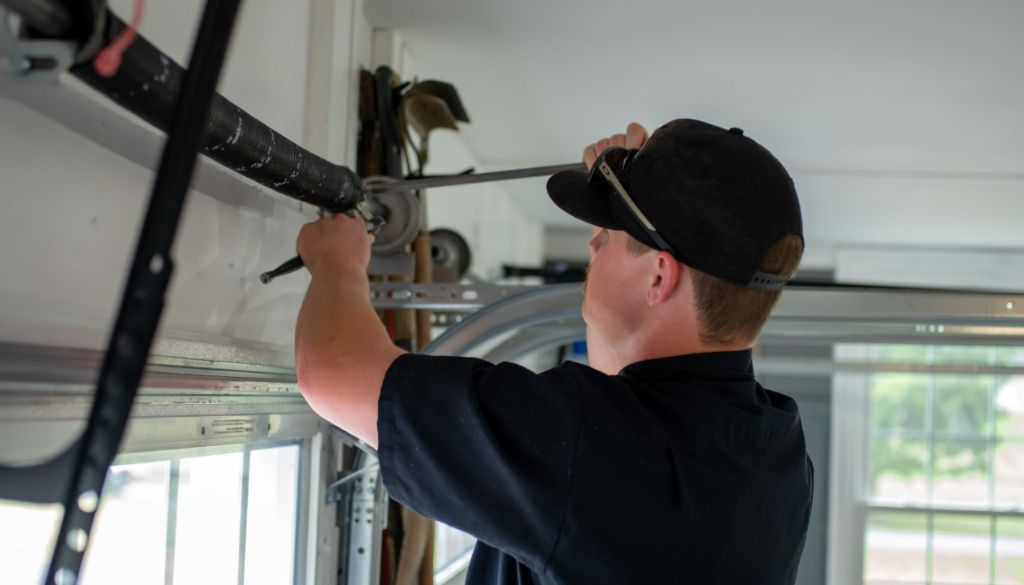
Queensland resilience guidance encourages safe work and, where appropriate, using a qualified contractor for securing vulnerable parts of the home. That is especially relevant with garage doors. The moving parts and tensioned components are not casual DIY territory. Garage door springs can store significant force. Tracks and opener adjustments affect both performance and safety. If the project is tied to cyclone resilience, the installation standard matters as much as the brochure.
Product safety matters too. Australian product-safety guidance makes the broader point that products subject to mandatory safety standards must meet specific safety criteria before sale. For homeowners, the practical takeaway is simple. Treat garage door systems and accessories as safety products, not just building décor. Ask clear questions about compliance, suitability, and installation.
A good contractor conversation should stay grounded. Instead of asking for the “strongest” door in abstract terms, ask whether the proposed garage door replacement complies with the relevant standard, how the frame is being handled, whether the system is wind-rated for the application, and what storm preparation the household is expected to perform. If the answer drifts into vague reassurance, keep pressing.
A practical storm-readiness routine for the garage
Even the best replacement needs a household routine behind it. Severe weather preparation works when it is done early, not when the wind is already up and the driveway is full of loose items. Queensland’s official advice is clear on timing, prepare before storm season, and only go outside after it is officially safe.
A sensible garage-focused routine looks like this:
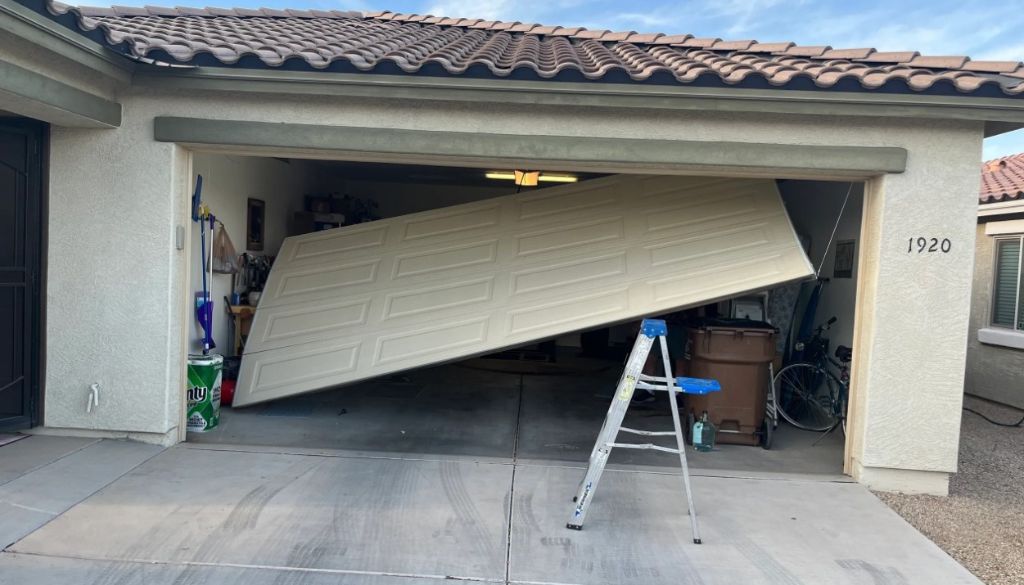
- Check before storm season that the garage door, opener, and any bracing system are ready to use. Park vehicles under shelter if possible, so the garage remains part of the protection plan rather than an afterthought. Secure loose outdoor items early, before conditions worsen and access becomes risky. Unplug electrical items where appropriate, following the household’s safety plan. Stay inside once conditions are unsafe, and wait until it is officially safe before going out again.
That list is short on purpose. In practice, the best storm routine is the one people will actually follow under pressure.
Making the final decision without overbuying or underpreparing
The hardest part of garage door replacement is often judgment. Some homeowners underreact because the current door still opens and closes. Others overbuy features that have little to do with the actual risk. Better wind protection sits in the middle. It requires enough seriousness to address a genuine weak point, but not guesswork or panic purchasing.
Start with the opening itself. If the current door and frame are non-compliant or clearly not suitable for the property’s wind exposure, replacement deserves strong consideration. If the system can be made resilient through an appropriate bracing solution and the household is realistic about using it, that may be enough. If the tracks are worn, the springs are tired, and the opener is unreliable, folding all of that into one coordinated project often makes more sense than a trail of repairs.
Good garage door replacement decisions are rarely flashy. They are usually the result of asking plain, disciplined questions. Is the opening wind-rated appropriately? Does it comply with the relevant standard? Is the frame being upgraded too? Can the household follow the required preparation steps before severe weather? Are the supporting parts, including garage door tracks, garage door springs, and garage door openers, in shape to support the system rather than undermine it?
Those are not glamorous questions, but they are the ones that matter when the forecast gets serious. A garage door is more than an entry point for the car. In storm-prone areas, it is part of the envelope of the house. Treating it that way leads to better replacement choices, fewer weak links, and a home that stands a better chance when wind tests every opening.