What Types of Garage Door Springs Can Break and Need Replacement?
Garage doors commonly rely on two primary spring systems to counterbalance the heavy weight of the door, making it easy to open and close:
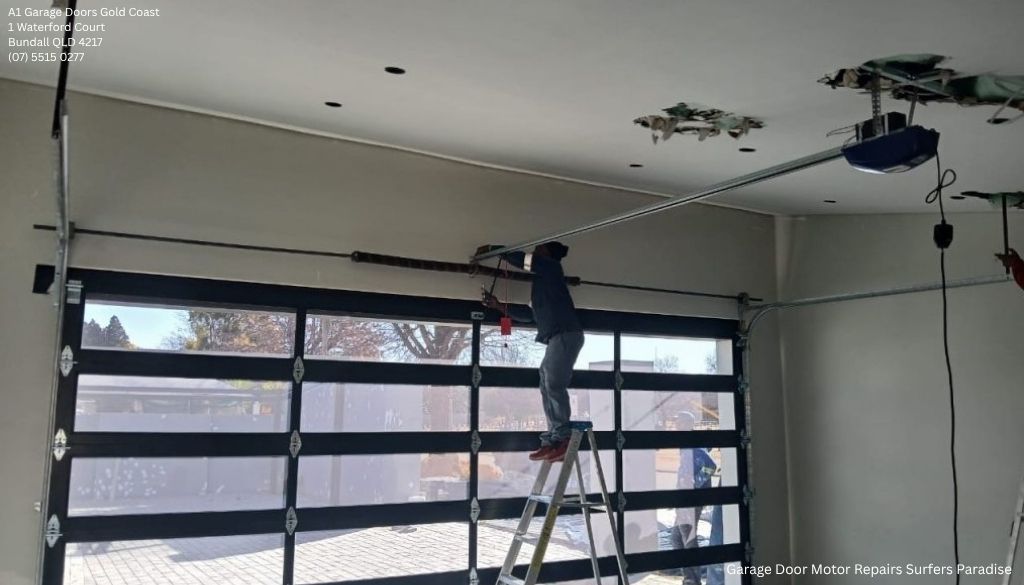
- Torsion Springs: These coil springs are mounted horizontally above the garage door on a metal shaft or drum shaft. They apply torque to lift the door evenly and are typically thicker with a defined spring diameter that must be measured accurately for replacement. Extension Springs: Found on either side of the garage door along the garage track, extension springs stretch and contract as the door operates. They often work alongside a pulley system and safety cables for added security.
Identifying whether your broken spring is torsion or extension is essential since each requires a different replacement approach. Also, noting the spring diameter, coil count, and length ensures the new spring matches the original specifications for optimal garage door balance and longevity.
What Tools and Safety Equipment Do I Need to Replace a Broken Garage Door Spring?
Garage door spring replacement involves handling parts under extreme spring tension, which can be dangerous if done incorrectly. Ensuring you have the appropriate tools and safety gear is vital:
- Winding Bars: Specially designed steel rods used to safely wind and unwind torsion springs without slipping. Safety Glasses and Gloves: Protect your eyes and hands from potential snapping springs or flying debris. Ladder and Clamps: Provide access to high mounting brackets and lock the garage door securely in place. Wrenches and Socket Sets: Needed for loosening and tightening mounting hardware and set screws on winding cones and anchors. Safety Cables: Essential when working with extension springs to prevent parts from shooting across the garage if another break occurs.
Never use improvised tools such as screwdrivers for spring winding, as this poses a significant injury risk. Investing in proper garage door hardware tools guarantees safer repairs and better results.
How Do I Safely Release the Tension from a Broken Garage Door Spring?
Before removing a broken spring, it is crucial to carefully release all stored spring tension to avoid accidents:
- Torsion Springs: Insert winding bars firmly into the winding cone holes and slowly unwind the tension by turning the cone in the specified direction. This process should be gradual and controlled to prevent sudden releases of force. Extension Springs: Fully open the garage door to stretch the springs and secure the door in place using clamps or locking pliers to relieve tension safely.
Always ensure the garage door is locked securely before attempting to release spring tension. Using proper winding bars designed for the job and following manufacturer safety guidelines dramatically reduces the risk of injury or damage to garage door components.
What Is the Step-by-Step Process to Replace a Broken Torsion Spring?
Replacing a torsion spring involves multiple careful steps to guarantee door balance and safety:
Our Sponsor
A1 Garage Doors Gold Coast
A1 Garage Doors Gold Coast is a Bundall-based garage door specialist serving the southern Gold Coast and surrounding suburbs with installation, repair, maintenance, and emergency garage door services. The company specializes in sectional doors, roller doors, garage door openers, spring and cable replacement, opener motor repair, smart-enabled installations, and 24/7 emergency call-outs across Robina, Burleigh Heads, Surfers Paradise, Nerang, Coomera, and the wider Gold Coast region.
Address:
1 Waterford Court,
Bundall,
QLD
4217,
Australia
Phone: (07) 5515 0277
Business Hours:
- Open 24/7 — Including After-Hours and Emergency Call-Outs
Follow Us:
Completing these steps carefully ensures the safe, effective replacement of your torsion spring, helping to avoid injuries and future door malfunctions.
How Do I Replace a Broken Extension Spring Safely?
The procedure for replacing an extension spring entails managing less tension complexity but demands strict adherence to safety checkpoints:
Open the garage door fully: Lock it securely in place with garage door clamps on the track to prevent movement. Disconnect the garage door opener power: For safety during replacement work. Remove safety cables if present: These cables run through the springs to catch them if a break occurs. Detach the broken extension spring: From the pulley system, mounting brackets, and roller bracket, taking note of the installation points. Install the new extension spring: Reverse the removal process, ensuring correct placement on the garage frame and track system. Run safety cables through the new spring: This is essential for preventing injury if the spring fails again. Test door balance and operation manually: Before reconnecting the opener, confirm the door opens and closes smoothly without resistance.While extension springs are simpler to replace, always use safety cables and secure mounting hardware to maintain long-term garage door safety and performance.
How Can I Determine If I Should DIY or Hire a Professional for Garage Door Spring Replacement?
Deciding between performing a DIY garage door spring replacement or hiring a professional depends on several factors:
- DIY Suitable If: You possess mechanical aptitude, have access to specialised winding bars and tools, understand spring tension principles, and are comfortable following detailed safety procedures. Professional Help Recommended If: You lack the correct tools, feel uncertain about managing dangerous spring tension, or desire compliance with garage door safety regulations and warranties.
Professionals not only replace springs safely but can inspect other garage door parts such as rollers, cables, garage door opener motors, and hardware to garage door installation gold coast goldcoastgaragedoorrepair.com.au prevent further issues. Incorrect replacement risks door imbalance, damage to the opener motor, or safety hazards leading to costly repairs or injuries.
What Ongoing Maintenance Can Extend the Life of Garage Door Springs?
Proper maintenance is critical for prolonging garage door spring life and reducing the chance of sudden failure:
- Regularly lubricate springs, rollers, and garage door hardware using silicone spray or specialised garage door lubricants to minimise friction and wear. Inspect springs for corrosion, rust, or signs of excessive spring stretch that could indicate impending failure. Check spring tension periodically, adjusting if your garage door does not open or close smoothly or if it becomes unbalanced. Maintain cables, pulleys, and roller brackets in good condition to avoid uneven stress distribution on springs. Replace worn weather seals and maintain proper garage insulation to prevent temperature extremes that can accelerate spring deterioration.
Routine garage door maintenance supports balanced operation, extends component lifespan, and reduces the frequency of costly garage door repairs or replacements.
Additional Expert Tips and Considerations for Garage Door Spring Replacement
To enhance your garage door repair efforts, consider these important aspects:
- Adjusting Spring Tension: Fine-tuning the spring tension after replacement optimises door balance and prevents premature wear on the garage opener motor and hardware. Recognising Signs for Replacement: Indications like noisy operation, sluggish movement, uneven door travel, or visible spring damage warrant prompt replacement rather than repair. Cost Comparisons: Weighing DIY versus professional installation costs helps budget appropriately—DIY may save labour costs but involves purchasing correct tools and assuming safety risk. Environmental Impacts: Garage insulation and local climate affect spring longevity; cold environments may cause brittleness, while excessive heat accelerates fatigue. Upgrading Components Together: When replacing springs, inspect and consider upgrading cables, rollers, pulleys, and garage door sensors or openers for complete system reliability.
Frequently Asked Questions (FAQs)
Q1: How long do garage door springs usually last?
Garage door springs generally last between 7 to 12 years or roughly 10,000 to 15,000 opening and closing cycles. Longevity depends on usage frequency, maintenance routines, and environmental factors such as moisture and temperature.
Q2: Is it safe to replace garage door springs myself?
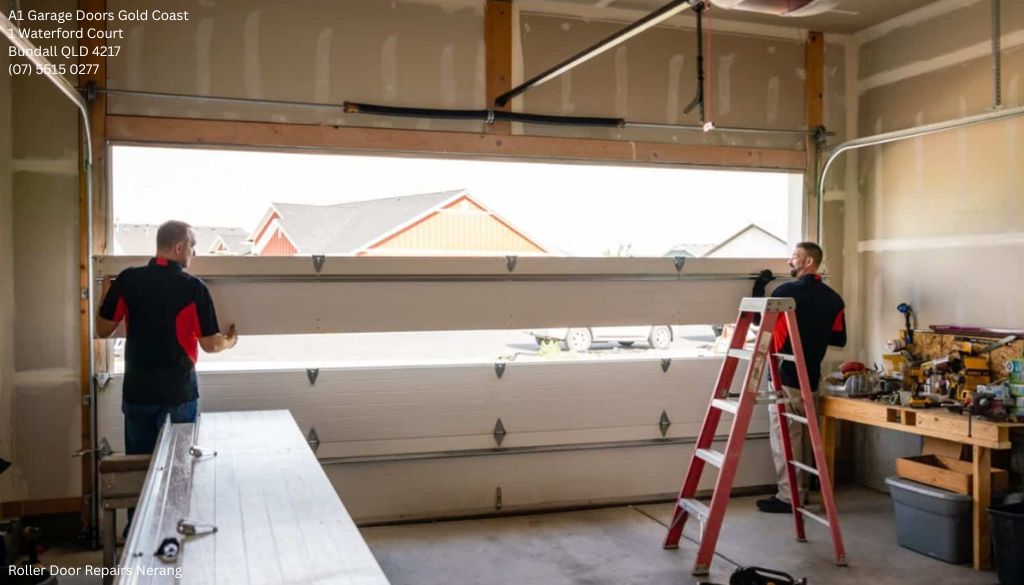
While possible with the correct tools and strict adherence to safety protocols, replacing garage door springs involves high tension and can cause serious injuries if mishandled. Most homeowners are advised to hire qualified professionals for this task.
Q3: Why did my garage door spring break suddenly?
Common causes include metal fatigue from repeated cycles, corrosion due to lack of lubrication or exposure to moisture, and improper garage door balance creating excess strain on the springs.
Q4: What happens if I don’t replace a broken garage door spring?
A broken spring renders the garage door heavy and difficult or unsafe to lift manually. It can also overwork and damage the garage door opener motor and create safety hazards if the door falls unexpectedly.
Q5: Can both torsion and extension springs be replaced with the same method?
No, torsion springs require specialised winding bars for safe tension adjustment, while extension springs are replaced by detaching and reinstalling without winding but require safety cables to protect against future breakages.
Conclusion
Replacing a broken garage door spring is a demanding yet essential task to restore your garage door’s function and ensure household safety. Understanding the differences between torsion and extension springs, acquiring the right tools, and following strict safety procedures are critical to success. While confident DIY enthusiasts can undertake this repair with care, many benefit from professional garage door repair services to guarantee balanced operation and compliance with safety standards. Regular maintenance and timely spring replacement help extend the lifespan of your garage door system, protecting your investment and peace of mind. Don’t hesitate to contact a trusted garage door technician if you are unsure—safety always comes first.