A wind-rated garage door is easy to underestimate until storm season arrives and the weak point in the building envelope becomes painfully obvious. In high-wind regions, the garage door is not just a moving panel for cars and storage. It is a large opening in the house, and when it fails, wind can push into the structure and increase damage to roofs and walls. That changes the conversation from convenience to resilience.
In Queensland, that point is not theoretical. Severe storms and cyclones are part of the risk landscape, and official guidance is clear that homeowners should prepare before storm season, not during it. Garage doors are specifically part of that preparation. Guidance also notes that a garage door should comply with AS/NZS 4505 and be correctly rated for wind pressure, or have a bracing system that can be installed before a cyclone. For many homes, especially older ones, that means maintenance alone may not be enough. A proper garage door replacement becomes part of hardening the house.
What makes this topic tricky is that homeowners often look at the wrong symptoms. They focus on noise, a tired motor, a dented panel, or a remote that only works half the time. Those issues matter, but a wind-rated replacement calls for a wider view. The door, frame, tracks, hardware, opener, and the way the system is used before bad weather all play a part. Good maintenance helps, but it has to be maintenance that serves the bigger purpose: keeping the opening secure when conditions turn ugly.
Why wind rating changes the maintenance conversation
A standard maintenance routine for a garage door usually revolves around smooth movement and everyday safety. Is it opening cleanly, closing evenly, and sounding normal? Those are still fair questions. But with a wind-rated system, the maintenance standard is higher because the consequences of failure are higher.
A poorly performing door can be an annoyance in mild weather and a serious liability in a severe storm. Queensland housing guidance has identified replacing existing garage doors and frames with wind-rated versions as part of household resilience work. It also points out that non-compliant garage doors can be a cost-effective replacement target when improving cyclone resilience. That is a practical way to look at it. If a home has a vulnerable opening, strengthening that opening often makes more sense than waiting for visible failure.
I have seen plenty of owners delay action because the door still “works.” It lifts, it drops, and the opener still responds, so the assumption is that replacement can wait. The trouble is that everyday function does not tell you whether the assembly is appropriate for high wind pressure. A door can appear serviceable in calm weather and still be the wrong door for the location and risk.
That is why wind-rated garage door replacement is not simply a product swap. It is a reassessment of the whole opening, including the frame and supporting components, and then a maintenance plan that keeps the upgraded system ready for real weather, not just weekday convenience.
The first question is not “Can it be repaired?”
For ordinary wear, repair may be perfectly sensible. For storm resilience, the better first question is whether the existing door and frame are compliant and suitable. If not, repair can become money spent in the wrong direction.
Queensland guidance is explicit that garage doors should comply with AS/NZS 4505 and be correctly rated for wind pressure, or have a bracing system that can be installed before a cyclone. That creates a very practical decision tree. If the current setup does not meet that threshold, owners need to think beyond patch fixes.
This is where experience matters. A homeowner may call about frayed weather seals or noisy rollers, but a qualified contractor should also be looking at the larger issue. Is the door part of a resilient opening, or is it an older assembly that remains vulnerable even if tuned up? A technician who only replaces the loud part and ignores the broader risk is solving the small problem and leaving the big one in place.
That does not mean every older door must be ripped out on sight. It does mean that maintenance should begin with verification, not assumption. If a wind-rated replacement is needed, then maintenance moves into a new phase: protecting the investment and making sure the door remains ready before every storm season.
What a replacement project really includes
One common mistake is treating the door leaf itself as the entire job. In practice, a garage door replacement may involve more than the visible panels. Queensland resilience guidance mentions replacing existing garage doors and frames with wind-rated versions, which tells you something important. The frame matters too.
If the opening has older framing, poor alignment, or a configuration that does not suit the replacement system, installing a stronger door onto a weak or unsuitable surround can compromise the whole objective. The point of the upgrade is not to own a better-looking door. The point is to improve the resilience of the opening as a system.
That systems view is also why garage door tracks deserve attention. Tracks are easy to ignore because they are not glamorous and often tucked away against the jambs and ceiling. Yet they are central to how the door travels and seats. If they are out of alignment, damaged, or inconsistent with the replacement setup, the door may not close or sit as intended. Even without making technical claims beyond the official guidance, it is plain common sense that a door designed to protect an opening needs supporting hardware in sound condition and properly installed.
The same logic applies to garage door openers. The opener is not the storm protection, but it influences day-to-day reliability and storm preparation. If a homeowner cannot confidently close the door, disconnect power when needed, or manage access before a severe weather event, the best-rated door in the world becomes harder to use well. Queensland storm guidance advises securing loose outdoor items, parking vehicles under shelter if possible, and unplugging electrical items. For many households, that routine runs straight through the garage. An opener that behaves unpredictably can complicate those preparations at exactly the wrong time.
Maintenance after a wind-rated upgrade
Once a wind-rated door is installed, owners often relax too much. That is understandable. The expensive part is done, the house is stronger, and there is a sense of being covered. But resilience is not a one-time purchase. It is a condition that has to be maintained.
The maintenance plan does not need to be complicated. It does need to be disciplined. The best routines are seasonal and practical, tied to the weather calendar rather than vague good intentions. In Queensland, preparing before storm season is part of official advice, and that is the right anchor point. The garage door should be checked before the season starts, not after the first warning alert hits your phone.
A good pre-season review should cover the visible condition of the door and the way it operates. It should also include the accessories and habits around the door. If the system relies on a bracing arrangement that can be installed before a cyclone, that arrangement needs to be present, accessible, and understood. A bracing system that is buried behind paint tins and camping gear is not really part of the emergency plan.
This is also where a lot of everyday clutter becomes relevant. Garages naturally collect things, and many of those things become liabilities in storm preparation. If vehicles need to be brought under shelter, there must actually be room to do it. If electrical items should be unplugged, access to outlets and the opener connection should be straightforward. Maintenance is not only lubrication and adjustment. It is also making sure the garage can function as intended when the weather shifts fast.
The components owners notice, and the ones they miss
Most owners notice obvious faults. A remote stops working reliably. The door shudders. The opener strains. A panel looks rough. Those cues matter because they prompt action. The subtler problems are usually more revealing.
Garage door springs are a good example. Homeowners tend to mention springs only when the door becomes hard to lift or the system feels out of balance. Even without diving into unsupported technical detail, it is fair to say that any component involved in the controlled movement of the door deserves respect. garage door resource A door that does not move in a stable, predictable way should be assessed professionally, especially after a replacement project where the entire setup is expected to perform consistently. Springs are not a casual do-it-yourself item, and treating them as one is the sort of shortcut that undermines a serious upgrade.
Garage door tracks are another overlooked area. People generally notice them only after impact damage, a scraping noise, or visible bending. Yet even minor irregularities can affect how the door runs and settles. In a wind-rated context, that should not be brushed off as harmless character. If the door does not travel cleanly or looks uneven at rest, get it checked.
Garage door openers can also create a false sense of security. A strong motor does not make a weak opening resilient. At the same time, a neglected opener can make a resilient opening less usable. The useful question is not whether the opener feels powerful. It is whether the whole access system works reliably as part of storm preparation. Can the door be closed when needed? Can power be disconnected safely? Is the garage set up in a way that supports the official advice to secure property before severe weather arrives?
Practical warning signs that deserve attention
The most useful maintenance advice is often simple and visual. Owners do not need to become engineers, but they do need to know when a door has moved from normal wear into something that calls for a contractor.
- The door no longer opens or closes smoothly and seems to bind, jerk, or sit unevenly. The garage door tracks look bent, loose, or visibly out of line. The opener becomes unreliable, especially if the door does not fully close when commanded. The frame or opening shows signs that the door is not sitting correctly. Any storm bracing system is missing, inaccessible, or not ready for use before severe weather.
None of these signs automatically prove structural failure, but they do justify a closer look. With ordinary garage doors, owners sometimes tolerate a lot of sloppiness because the nuisance feels manageable. With a wind-rated system, that is the wrong mindset. The point is to reduce vulnerability, not to live with half-functioning protection.
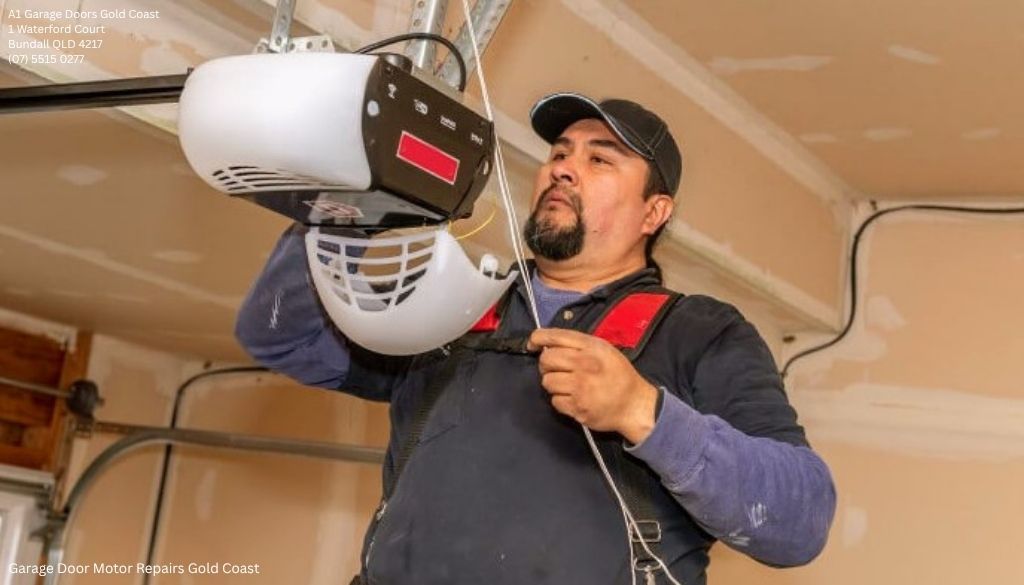
Storm preparation is part of garage door maintenance
The official storm guidance in Queensland emphasizes preparing early and only going outside when it is officially safe. That matters for garage doors because many last-minute mistakes happen when people try to secure things in deteriorating conditions. If your garage setup is central to sheltering a vehicle, storing emergency supplies, or protecting electrical items, then the door has to be part of a rehearsed routine.
I encourage homeowners to think through the sequence well before storm season. Not in abstract terms, but physically. Walk into the garage and picture the day a warning is issued. Can the car get inside without shifting half the room? Can outdoor items be brought in quickly? Can remotes, wall controls, and power points be reached without stepping over clutter? If the property uses pre-cyclone bracing for the garage door, do the people in the household actually know where it is and how it is installed?
That kind of dry run sounds basic, but it is often more valuable than obsessing over minor cosmetic flaws. A spotless garage with poor access is less storm-ready than a plain one with a clear workflow.
There is also a personal safety angle here. Queensland guidance recommends working safely or using a qualified contractor when securing vulnerable parts of the home. That is especially important with garage doors. People underestimate the stored force and moving weight involved. A storm prep routine should never depend on improvised repairs under pressure.
Comfort and efficiency still matter
Wind rating is the headline issue, but the daily benefits of a sound garage door should not be dismissed. If the garage is attached to the house, draught-proofing can improve comfort and reduce unwanted heat loss. Australian energy guidance notes that draught stoppers at the base of doors can help reduce heat loss. That is a modest detail, yet it can make an attached garage feel less drafty and help the adjacent rooms perform better.
This is one of those areas where a replacement project often solves more than one problem at once. An older door may be vulnerable in storms and poor at sealing the opening during ordinary weather. Upgrading the door, improving the fit of the frame, and paying attention to the base seal can serve resilience and comfort together.
It is worth keeping expectations realistic. A garage is not usually treated to the same standard as a conditioned living room. Even so, reducing obvious draughts is worthwhile, particularly in homes where the garage connects directly to the interior. It also makes the space more usable for storage and routine access, which matters when the garage becomes part of a storm preparation plan.
Choosing who does the work
The guidance about using a qualified contractor is more than a formality. Wind-rated garage door replacement is one of those jobs where the paperwork, rating, and installation quality all matter. A cheap quote that glosses over compliance or waves away the frame condition is not a bargain. It is risk deferred.
When speaking with contractors, homeowners should be focused and direct.
- Ask whether the proposed door complies with AS/NZS 4505 and is correctly rated for the required wind pressure, or whether the system relies on bracing before a cyclone. Ask whether the existing frame is suitable or whether the replacement should include the frame as part of the resilience upgrade. Ask how the garage door tracks, opener, and related hardware fit into the proposed installation and ongoing maintenance. Ask what pre-storm checks the owner should carry out each season. Ask what tasks should always be left to a qualified technician, especially where springs or critical operating components are involved.
Those questions do two useful things. First, they show whether the contractor is thinking in terms of resilience rather than just sales. Second, they help the homeowner understand what they are responsible for after installation. The best projects are the ones where the handover includes plain, practical guidance instead of vague reassurance.
Replacement timing, and why waiting can cost more
There is a habit among homeowners of postponing garage door replacement until complete failure. That approach makes sense for goldcoastgaragedoorrepair.com.au some household items. It is a poor fit for openings that matter during severe weather.
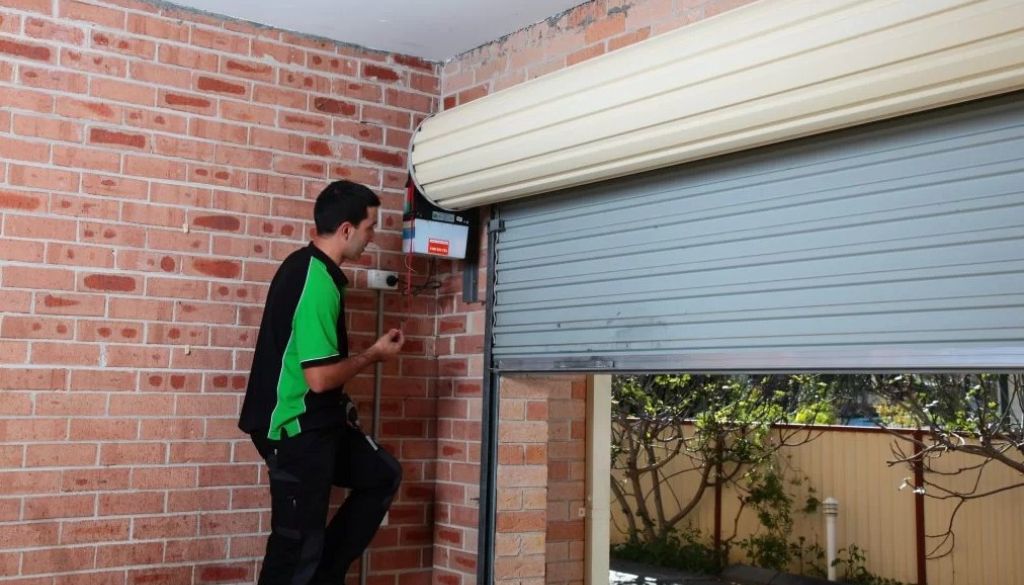
Official resilience guidance already frames non-compliant garage doors as a cost-effective replacement target. That idea deserves emphasis. If the existing door is a known weak point, waiting for a breakdown or a storm event is usually the most expensive way to handle it. A planned replacement gives you time to assess the frame, choose the right system, clear the garage, and understand any bracing requirements. A rushed replacement after damage is a very different experience, usually under stress and with fewer choices.
Timing also affects maintenance quality. When a homeowner replaces before the system is in crisis, there is more bandwidth to set up proper habits. The opener gets checked. The tracks are not ignored. The seasonal prep routine is established. That is how a replacement becomes part of long-term resilience instead of a one-off transaction.
What good ownership looks like after the install
A well-managed wind-rated garage door does not need constant fuss. It needs respect, observation, and timely service. Owners should be able to notice when operation changes, keep the surrounding area workable, and prepare before storm season without scrambling.
That includes accepting the limits of do-it-yourself maintenance. Cleaning the area, checking access, and reporting changes are reasonable owner tasks. Anything involving uncertain compliance, structural concerns, problematic operation, or key components such as garage door springs should be treated with caution and referred to a qualified professional. The goal is not to prove independence. The goal is to keep the opening reliable.
The homes that tend to perform best in bad weather are rarely the ones with the flashiest products. They are the ones where the owner understands the weak points and acts early. In Queensland, a garage door is one of those weak points if it is not compliant, not properly rated, or not maintained with storm readiness in mind.
A wind-rated garage door replacement is ultimately about reducing exposure. It strengthens a major opening, supports wider house resilience, and gives the homeowner a clearer path through storm preparation. But replacement alone is not the finish line. The real payoff comes when that stronger door is maintained well, checked before the season turns, and treated as the protective system it is.